
Marketing teams don’t need more leads. They need the right leads moving through a funnel that actually works.
The gap between marketing qualified leads (MQLs) and sales qualified leads (SQLs) is where most revenue gets lost, usually because channels aren’t aligned, handoffs aren’t clear, or prospects aren’t getting the right message at the right time. A multichannel funnel should solve those problems, not add more complexity.
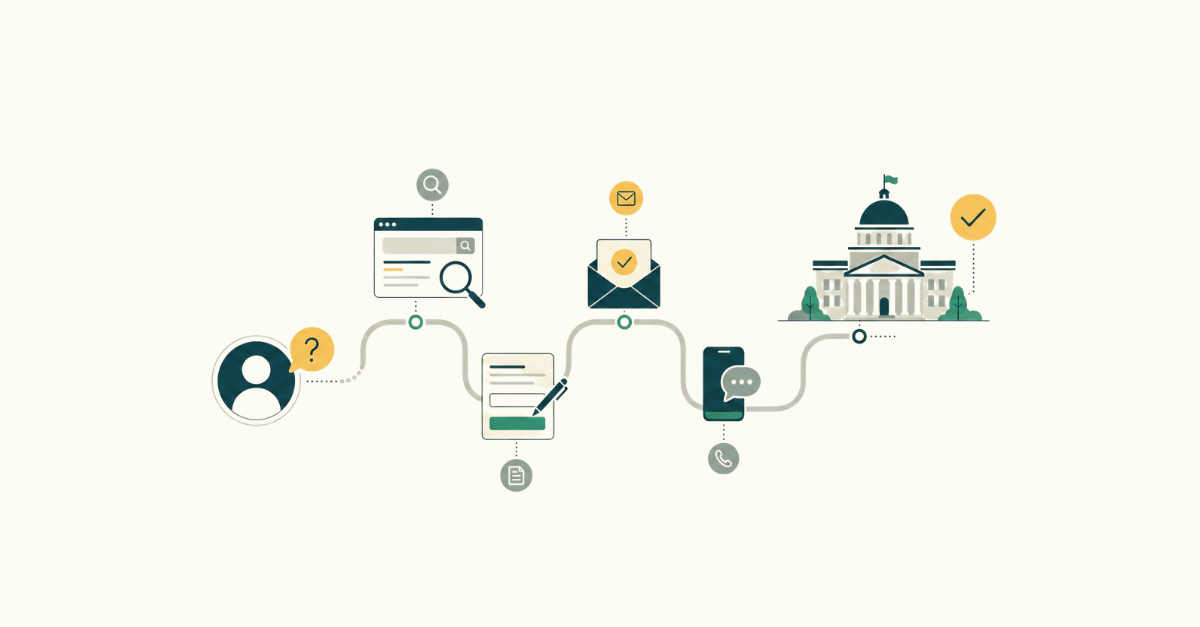
At emfluence, we think about funnels as connected systems. Every click, form fill, and follow-up should support one outcome: a smooth path from first touch to closed deal. When your data, messaging, and channels are working together, the jump from MQL to SQL feels less like a handoff and more like a natural next step. This is how you build a funnel that converts consistently and can scale with your team.
Why the MQL to SQL Break Often Happens
Most funnels fall apart in the same places. Marketing teams generate interest, but sales teams don’t get the context they need to move quickly. Or the prospect gets an early burst of communication and then nothing that actually builds confidence. The problem isn’t typically volume. It’s alignment.
Common breakdowns include:
1. Channel activity that doesn’t connect.
Email says one thing. Paid campaigns say another. Sales outreach isn’t tied to what the prospect has already engaged with. When messages compete instead of reinforce, prospects stall.
2. Undefined or unrealistic qualification criteria.
If marketing and sales don’t share the same definition of “ready,” MQLs get passed over or pushed too soon. Either way, conversion suffers.
3. No plan for nurturing the middle.
Prospects rarely jump straight from hand-raiser to opportunity. Most need education, reminders, and proof. Without a structured nurture, they drift.
4. Data that never makes it into the hands of sales.
Behavioral signals, channel engagement, and campaign history matter. If that data isn’t visible in the CRM, sales is operating blind.
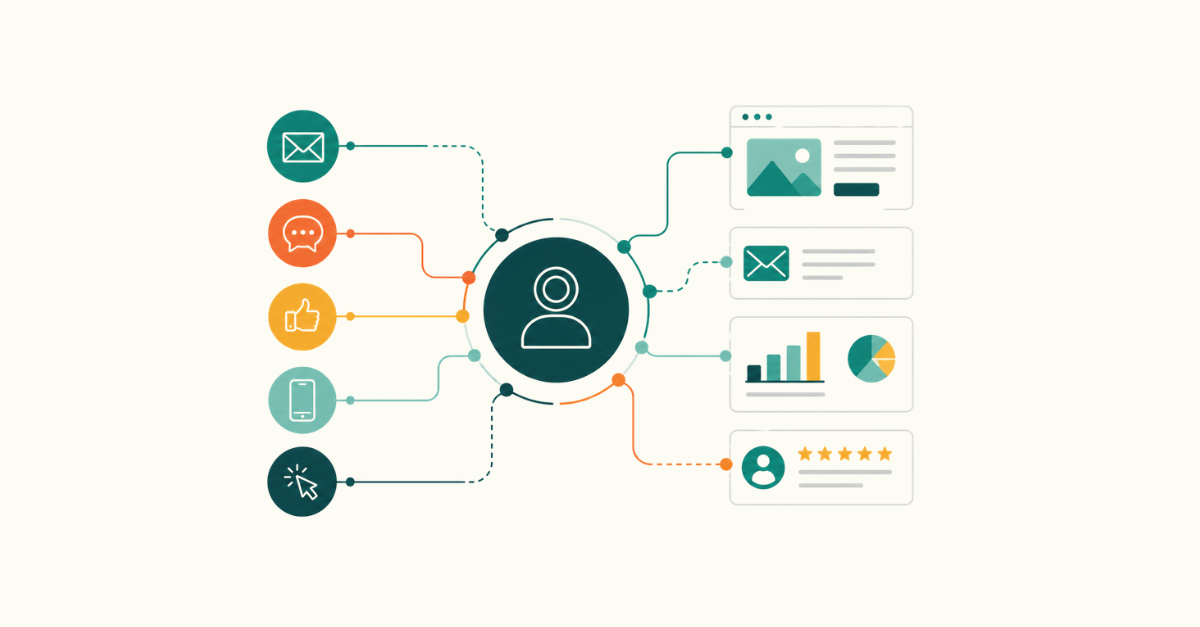
A strong multichannel funnel addresses all of these. It brings channels together, gives prospects a clear path forward, and gives sales the insight to pick up at the right moment.
What a High-Performing Multichannel Funnel Actually Looks Like
A strong funnel isn’t a stack of disconnected campaigns. It’s a coordinated system that guides prospects from first interaction to meaningful sales conversation. The goal is simple: connect every channel so prospects always know what to do next, and sales always knows how to follow up.
A high-performing multichannel funnel includes:
1. A Clear Entry Point
This could be a paid ad, an organic search result, a webinar, or a content download. What matters is that the call to action is intentional, and the next step is defined.
2. A Nurture Path That Matches Intent
Not every lead needs the same journey. Early-stage prospects need education. Mid-stage prospects need clarity and proof. Late-stage prospects need comparisons and validation. A good nurture plan meets them where they are.
3. Consistent Messaging Across Every Touch
Email, paid media, social, your website, and your sales outreach should reinforce the same story. When the message is consistent, prospects move faster.
4. Behavior-Based Progression
A funnel should react to how prospects engage. Opens, clicks, page views, form fills, webinar attendance, and demo requests all help determine if someone is ready for sales.
5. Clean Data Feeding the CRM
Sales needs to see the full picture: what the prospect downloaded, which emails they opened, what pages they viewed, and how they interacted with your content. When that data is visible and accurate, outreach becomes far more effective.
This foundation gives your team something reliable. It also gives you the insight to optimize what’s working and fix what’s not.
How to Align Marketing and Sales Around the Funnel
A funnel only works if both teams are working from the same rules. Alignment isn’t about more meetings. It’s about clarity, shared expectations, and data that supports fast action. When marketing and sales agree on what “qualified” looks like and how handoffs happen, conversion rates improve almost immediately.
1. Define MQL and SQL Together
Your qualification model should be simple enough for both teams to follow and strict enough to keep sales focused on real opportunities. Agree on the behaviors, demographic traits, and intent signals that matter.
2. Build a Documented Handoff
Every lead transition should include context: what the prospect engaged with, where they came from, and what they’ve responded to so far. Marketing automation and CRM data should do most of that work for you.
3. Set Follow-up Expectations
Timeliness is everything. If marketing sends a qualified lead to sales, the prospect should hear from someone quickly. Whether that’s five minutes or 24 hours will depend on your model, but the expectations should be clear.
4. Share Performance Data Regularly
Both teams should understand which channels produce real opportunities, not just form fills. When marketing sees what closes and sales sees what drives engagement, optimization becomes straightforward.
5. Build Feedback Loops Into Your Process
Sales should be able to flag leads that weren’t ready and explain why. Marketing should adjust scoring, messaging, or nurture tracks accordingly. When those insights feed back into the system, lead quality improves over time.
Alignment shouldn’t be complicated. Success centers on shared definitions, predictable processes, and visibility into what’s happening across the funnel.
The Core Channels That Drive a Converting Funnel
A multichannel funnel doesn’t mean every channel. It means the right ones working together with a clear purpose. These are the channels that consistently move prospects from interest to intent.
Your most reliable driver of education and mid-funnel momentum. It’s where nurturing happens, where personalization is easiest, and where intent becomes visible.
Paid Media
Useful for capturing demand and keeping your brand in front of prospects who aren’t ready for sales. Retargeting is especially effective at pulling people back into the funnel.
Website & Landing Pages
This is where prospects validate you. Clear positioning, accessible content, and strong CTAs help them progress without friction.
Sales Outreach
Automated when helpful, personal when it matters. Outreach should be timed against behavior signals, not guesswork.
Social
Not always a direct converter, but it reinforces credibility and builds trust. It keeps prospects warm while they move through the funnel at their own pace.
Each channel has a job. When they work together, prospects get a steady path forward, and your team gets cleaner insight into what’s driving real SQLs.
Optimizing the Funnel Over Time
A converting funnel isn’t something you set once and ignore. It needs small, consistent adjustments based on what prospects actually do. The goal is to identify friction early and remove it before it slows down the entire system.
Look at Progression Rates, Not Just Volume
How many MQLs move to SQLs? How many SQLs move to opportunities? These shifts tell you more than any lead count.
Track Where Prospects Stall
If engagement drops after a specific email, landing page, or sales step, tighten that asset. Most fixes are small.
Use Scoring to Surface Real Intent
Refine weights based on what leads actually do before they convert. Strong scoring makes sales faster and more accurate.
Test Channel Timing
Sometimes the message is right, but the sequence is off. Adjusting cadence often improves movement with minimal effort.
Review Your Handoff Every Quarter
If sales is saying “not ready” too often, qualification needs a tune-up. If sales is closing faster, consider expanding criteria.
Optimization isn’t complicated. It’s a steady rhythm of watching what’s working, fixing what’s not, and giving prospects fewer chances to drift out of your funnel.
The Bottom Line
A funnel that converts isn’t built on more channels or more noise. It’s built on clarity, consistency, and a process that supports the way prospects actually make decisions.
When marketing and sales share definitions, when data flows cleanly into your CRM, and when every channel reinforces the same story, the path from MQL to SQL becomes predictable instead of reactive.
Building that kind of funnel takes intention, not complexity. Small optimizations add up. Better alignment adds up. Clearer messaging adds up. When everything works together, you get a system that’s easier to manage, easier to scale, and far more resilient.
If you’re ready to build a multichannel funnel that actually converts, the emfluence team can help you get there. Contact us today.