
When things feel uncertain, marketing can feel uncertain too. Campaigns get paused. Messaging gets picked apart. And at some point, the question comes up: Should we keep going at all?
The answer is yes. But it has to look different.
What we’ve seen, time and again, is that marketing needs to adjust with intention during a crisis. The brands that navigate these moments well listen a little more closely, move a little more thoughtfully, and focus on being useful instead of loud.
There’s no one-size-fits-all approach, but there are a few patterns that tend to help, especially when it comes to planning ahead, creating content that meets the moment, and staying connected to your audience in a real way.
What is Crisis Marketing?
Crisis marketing is the practice of adapting your messaging, strategy, and channels in response to a disruptive event that affects your audience. It isn’t just about reactive PR or responding to a single incident.
Crisis marketing is the broader shift that happens when something external (or internal) changes how your audience is thinking, spending, or showing up, and your marketing must evolve alongside it.
And crises take many forms. It’s not just global events.
- Economic downturn that changes buying behavior
- Social or cultural moments that reshape expectations
- Disruption in your industry that impacts demand
- Brand-specific challenges, like customer feedback or a service issue
In each case, the goal stays steady: keep showing up in a way that feels relevant, thoughtful, and trustworthy.
The Risks of Getting Crisis Marketing Wrong
Most teams don’t set out to miss the mark, but under pressure, it can happen quickly.
Common patterns with missteps can look like:
- Messaging that doesn’t quite match the moment
- Going completely quiet and losing connection with your audience
- Leaning too hard on promotions when people are looking for clarity or support
The tricky part is that these moments tend to stick. Long after things stabilize, people remember how brands showed up or didn’t. Trust is harder to rebuild than it is to protect.
Crisis Planning: Building a Marketing Strategy Before You Need It
The most effective crisis marketing doesn’t start during a crisis. It starts well before.
Planning gives your team clarity when things move quickly. It reduces guesswork and helps everyone respond with confidence instead of hesitation.
Create a Crisis Marketing Playbook
Playbooks can make a big difference. Something simple that outlines:
- How communication flows internally and externally
- Who needs to weigh in (and when)
- What your brand wants to prioritize in its messaging
- How to handle more sensitive or fast-moving situations
We’ve found that teams don’t need perfection here. They just need a starting point they can use.
It also helps to spend a little time aligning across teams before anything happens. Marketing, PR, legal, and leadership getting on the same page early can save a lot of back-and-forth later.
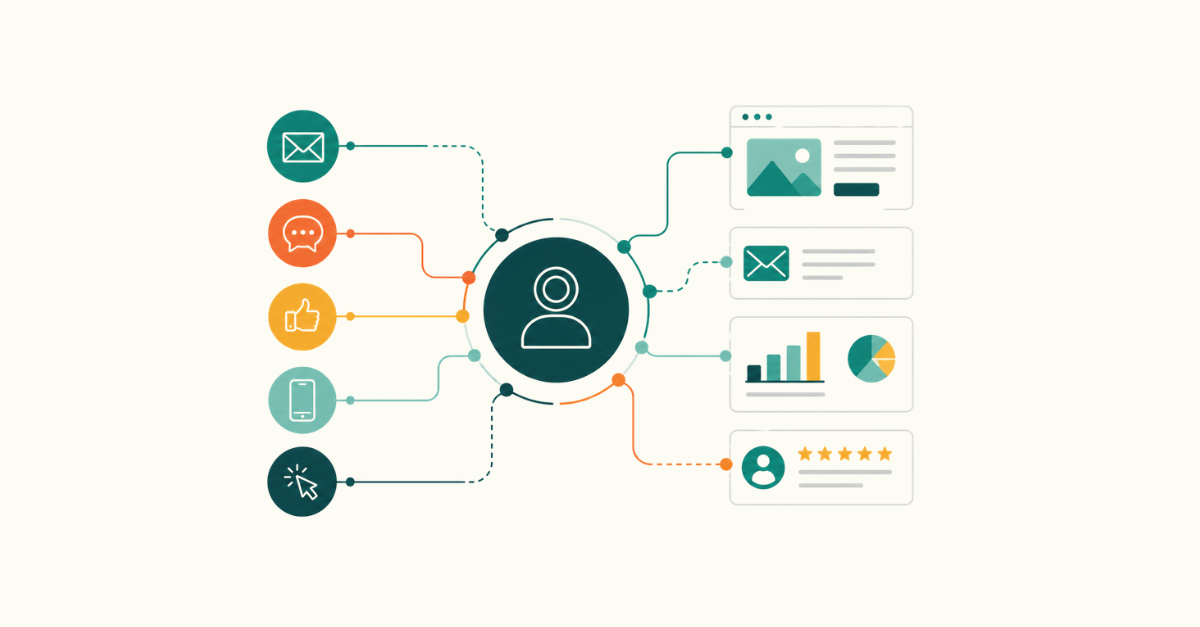
And then there’s the practical side: making sure your channels are flexible enough to respond. That includes:
- Social media platforms for real-time updates
- Email for direct, thoughtful communication
- Website messaging that can be updated easily
- Mobile and SMS, if relevant to your audience
Anything customer-facing should be easy to update without a long runway. The goal is flexibility. You don’t want to build infrastructure when you should be communicating.
How to Adjust Your Marketing Strategy During a Crisis
A crisis doesn’t usually call for a full stop. More often, it’s shifting.
One of the first steps is simply taking a breath and reviewing what’s already in motion. Looking at scheduled campaigns with fresh eyes can help you catch anything that might feel off or just out of sync. Look at what’s scheduled and ask:
- Does this still feel appropriate?
- Could the tone be misinterpreted?
- Should it be paused, edited, or replaced?
From there, we often see teams start to rethink how they’re measuring success. During stable periods, growth metrics often lead the conversation. In a crisis, trust becomes a priority. That might mean focusing more on:
- Are people engaging?
- What does sentiment look like?
- Are customers sticking with you?
Crises often change how people spend, think, and prioritize. It’s less about pushing harder and more about staying aligned with what your audience needs in that moment. Priorities shift. Spending habits tighten or expand. Expectations around brand behavior evolve.
Paying attention to those signals and being willing to adjust is usually what keeps marketing feeling relevant instead of reactive.
Creating Relevant Content During a Crisis (Without Being Tone-Deaf)
This is the part where teams often feel stuck: wanting to stay visible but not wanting to say the wrong thing. Content is where most brands feel the tension.
The “Value-First” Content Framework
What helps is shifting the question from “Should we post?” to “Is this helpful right now?”
Strong crisis content usually leans into a few familiar roles:
- Helping people make sense of what’s changing
- Acknowledging what’s going on
- Sharing clear, useful updates
- A small break from the noise, when appropriate
What it doesn’t usually do is lead with a hard sell. That doesn’t mean business goals are going away. It just means the path to them looks a little more relationship driven.
Voice also plays a role here, too. A slight shift in tone can go a long way:
- A bit more direct, a little less polished
- Grounded in what’s happening without overexplaining
- Consistent across channels
- Free of filler or clichés
People respond to what feels steady and genuine, not overly scripted or overly reactive.
Community Building: The Long-Term Advantage of Crisis Marketing
If there’s one area where strong brands tend to stand out during a crisis, it’s here. Not because they say more, but because they stay present. When done well, it strengthens relationships that last beyond the crisis itself.
Leveraging Social Media for Real-Time Crisis Marketing
Social channels can be a helpful listening tool. Paying attention to what your audience is asking, how they’re feeling, and where there’s space to contribute can shape everything else you do.
From there, engagement matters more than volume.
There’s real value in bringing your community into the conversation. Customer stories, shared experiences, and user-generated content are all moments that tend to feel more real than anything a brand can create on its own.
Turning Customers into Advocates
Over time, those interactions build something bigger. When people feel supported and heard, they remember it. And that trust doesn’t just fade when things stabilize; it often turns into advocacy.
Advocacy isn’t created through campaigns. It’s created through consistent, positive experiences.
Supporting Your Audience Beyond Your Product
Sometimes the most meaningful support sits outside your product. Not every helpful moment needs to be tied directly back to what you sell. It might look like:
Sharing helpful resources your audience genuinely needs
Offering guidance or perspective
Highlighting voices or stories from your community
These are the kinds of signals that show you’re paying attention to the bigger picture and not just your next campaign.
Keeping It a Conversation
One of the simplest and most impactful shifts is moving from broadcasting to listening. Crisis marketing isn’t a one-way message. It’s a conversation.
Make space for feedback. Respond when people reach out. Let what you hear shape what comes next.
The dialogue doesn’t just improve your marketing. It strengthens the relationship behind it.
The Takeaway
There isn’t a perfect playbook for moments like these. But there are patterns that tend to hold up.
The teams that navigate uncertainty well usually stay flexible. They plan just enough to stay grounded, and then they keep listening. They focus a little less on sticking to the plan and a little more on staying relevant to the people they’re trying to reach.
Behind every metric is a person. And in uncertain moments especially, trust is what carries the most weight.
If you’re rethinking how your marketing should show up right now, or just want a second perspective, we’re always up for a conversation. Get in touch with our digital marketing experts to find the next right step together. Reach out to the emfluence team at expert@emfluence.com.
FAQ: Marketing During a Crisis
Should you pause marketing during a crisis?
Not entirely.
It’s usually better to pause, review, and adjust rather than go silent. Consistent, thoughtful communication helps maintain trust and visibility.
What type of content performs best during a crisis?
Content that is helpful, clear, and relevant performs best during a crisis. Educational resources, timely updates, and supportive messaging tend to resonate more than promotional content.
How do you measure success in crisis marketing?
Look beyond the conversions. Focus on engagement, sentiment, customer feedback, and retention. These indicators often reflect long-term brand health.
What channels are most effective during a crisis?
It depends on your audience, but social media, email, and your website are typically the most important. They allow for timely updates, direct communication, and flexibility as situations evolve.