
Conversion rate optimization (CRO) used to feel more contained. You’d test a headline, tweak a button color, run an A/B test, and learn something useful. Those tactics still matter. They’re just not the whole story anymore.
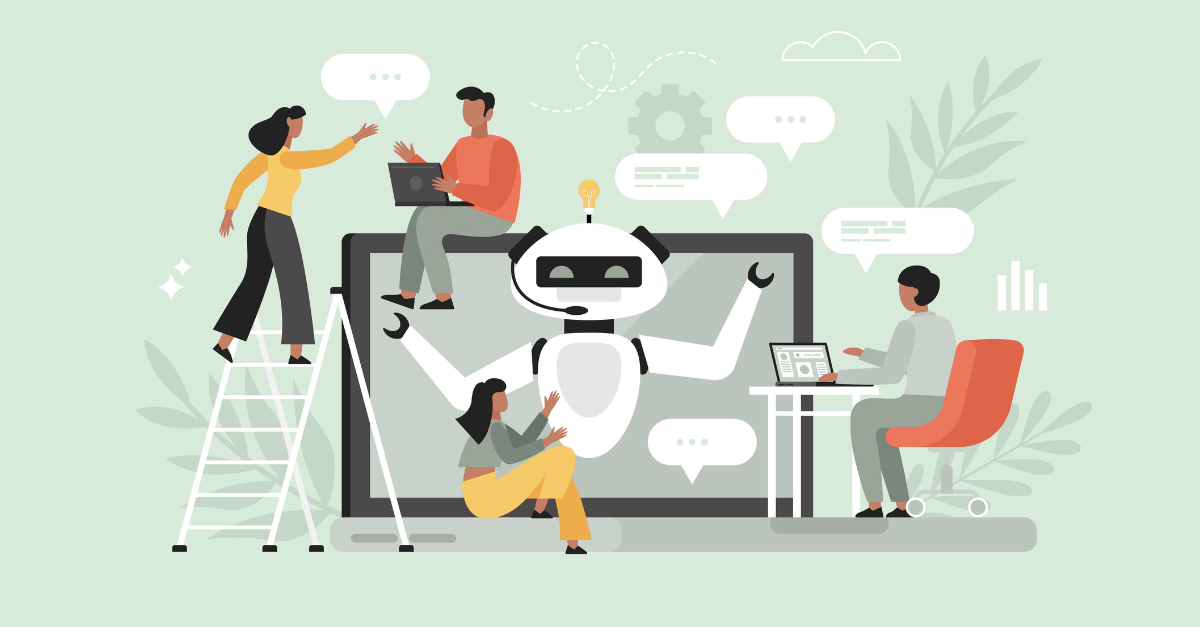
Today, conversion optimization looks a lot more like a moving system than a single tactic. It’s shaped by AI, fueled by data, and influenced by rising expectations from customers who want experiences that feel relevant right now, not eventually.
So instead of focusing on improving a single page, many teams are stepping back and asking a bigger question: how do we make the entire journey work better?
Why Conversion Optimization Is Being Redefined by AI
Most teams aren’t starting from zero. They’ve already put in the work. They’ve tested, iterated, and improved performance over time. But at a certain point, progress slows down. You stop seeing the same gains from the same methods.
That’s usually where new approaches, especially AI-driven ones, start to come into the picture.
Traditional CRO tends to rely on patterns you can clearly see. AI expands that by helping you respond to patterns that are harder to spot, or that change too quickly to track manually.
The Limits of Traditional Conversion Rate Optimization
There’s nothing wrong with traditional conversion rate optimization. It’s just built on a few limitations:
- Tests take time to reach meaningful results
- Experiences are often static once they go live
- Segmentation is usually broad, not individualized
- Insights come after the fact, not in the moment
You learn what worked, then apply it moving forward. That approach still has value; it just struggles to keep up with how quickly behavior shifts now.
How AI Changes the Rhythm
AI doesn’t replace optimization. It changes how quickly and dynamically it can happen. Instead of testing one idea against another and waiting, AI can:
- Analyze large amounts of behavioral data as it’s happening
- Anticipate what someone might do next
- Adjust content or experiences in real time
- Continuously learn without waiting on test cycles
In practice, that often means fewer fixed experiences and more that adapt as people interact with them and that naturally leads to a bigger emphasis on personalization.
At the end of the day, conversion is really about relevance. When something feels aligned with what a person needs or even just what they were hoping to find, they’re more likely to take the next step.
From Segmentation to 1:1 Personalization
Personalization used to be fairly surface level. Adding a first name to an email, maybe tailoring a message to a segment.
Segmentation is still useful. Most teams start there, and it’s a solid foundation. But over time, things tend to evolve. The goal isn’t to abandon segmentation. It’s to build on it when it makes sense.
Now it’s more about shaping the experience itself based on behavior, timing, and context.
That’s why personalization has moved from “nice to have” to foundational.
At a basic level, data-driven personalization is just using the information you already have to make experiences feel more relevant. Not just who someone is, but what they’ve done, what they’re interested in, and where they might be headed next. Learn more about data-driven marketing strategies and how AI is redefining them in our blog.
The Types of Data Powering Personalization
You don’t need perfect data to get started. But you do need the right mix.
The most helpful inputs usually include:
- First-party data people have shared with you
- Behavioral data from your site and campaigns
- Context like device, location, or traffic source
- Real-time activity or what someone is doing right now
When those pieces start working together, personalization becomes a lot more actionable (and less theoretical).
A lot of this isn’t brand new; it’s just more accessible and faster to execute than it used to be.
For example:
- Emails that shift content based on past engagement
- Landing pages that reflect how someone arrived
- Product or content recommendations tied to browsing behavior
- Campaigns that trigger based on actions, not just schedules
Individually, these are small changes. Together, they start to reshape the experience.
How to Increase Conversion Rate in Digital Marketing with AI
When people ask how to increase conversion rates today, the answer usually isn’t a single tactic. It’s more about building a system that can adapt and improve over time.
1. Start by getting your data in a usable place
AI and personalization both depend on having connected data. That usually means bringing together your CRM, analytics, and marketing platforms and making sure the data is clean enough to trust. Is your CRM ready for AI? Read more in our blog.
It doesn’t have to be perfect. Just consistent.
2. Look for high-impact moments that matter most
Not every page needs attention right away. Focus on areas like:
- High-traffic landing pages
- Key conversion points
- Places where people tend to drop off
Those are often the easiest places to spot missed opportunities.
3. Layer in personalization gradually across channels
This is where things can feel overwhelming, so it helps to keep it simple. Start with things like adjusting email content based on behavior, aligning landing pages with traffic sources, or triggering follow-ups based on specific actions
You don’t need to personalize everything, just the moments that matter most. We share more about building a multichannel funnel that actually converts in our blog.
4. Let AI help you move faster, not replace strategy
AI is great at accelerating learning, but it still needs direction. Instead of running isolated tests, you can test multiple variables at once, adapt experiences in real time, or surface patterns across channels. We share strategies for using generative AI to scale your campaigns here.
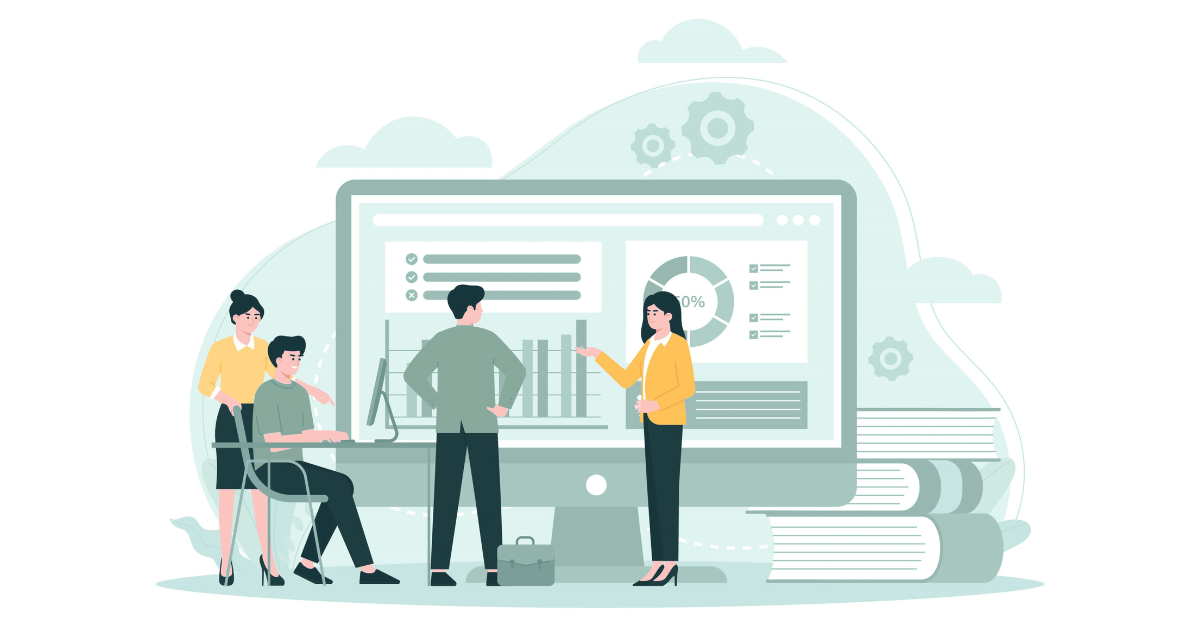
5. Measure what actually matters
It’s easy to default to metrics like clicks and opens. They’re visible and immediate, but they don’t always reflect impact. It’s often more useful to look at things like:
- Conversion rate by audience or segment
- Customer lifetime value
- Cost to acquire and convert
- Revenue influenced by your efforts
That shift helps keep optimization tied to outcomes, not just activity.
A Few Practical Ways to Improve Conversion
Even without a full transformation, there are still meaningful wins available.
- Make first impressions count: align landing pages with where people came from and what they expected to see.
- Focus on intent, not just keywords: make sure your content answers the real question behind the search.
- Reduce friction wherever you can: simplify forms, improve load times, and make next steps obvious.
- Use timing to your advantage: behavioral triggers, like abandonment or exit intent, often outperform scheduled messages.
- Build trust along the way: testimonials, case studies, and transparency all help reduce hesitation.
As teams lean into AI and personalization, a few common challenges tend to show up:
- Automating too quickly without a clear strategy
- Relying on messy or incomplete data
- Personalizing in ways that feel intrusive
- Getting distracted by tools instead of focusing on outcomes
None of these are dealbreakers; they’re just good to keep in mind as you build.
The Takeaway
Conversion optimization hasn’t gone away. It’s just expanded. It’s less about isolated tests and more about connected experiences, shaped by data, improved over time, and tailored to what people actually need in the moment.
AI makes that process faster. Personalization makes it more meaningful.
And the good news is, you don’t have to overhaul everything to get started. Small, thoughtful improvements tend to add up quickly.
If your team is working on how to evolve in this direction (or just trying to make sense of where to begin), you’re not alone. This is a shift a lot of marketers are navigating right now. And it’s one that tends to reward steady, intentional progress more than big, sudden changes.
If you’re ready to explore what smarter, more personalized conversion optimization could look like for your business, emfluence is here to help. Reach out to the team at expert@emfluence.com.